
Pelvic inflammatory disease (PID) Treatment
Guide to Pelvic Inflammatory Disease (PID) Treatment and Prevention
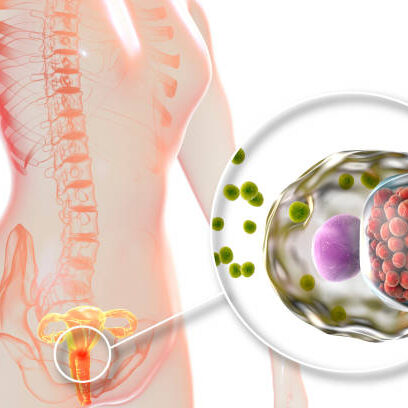
Pelvic Inflammatory Disease (PID) treatment is a condition characterized by inflammation of the pelvic organs, including the uterus, fallopian tubes, ovaries, and surrounding pelvic area. It typically begins as an infection in the vagina or cervix and then progresses to affect the upper reproductive organs. PID can be classified as acute when there is a sudden or severe onset of symptoms, leading to significant inflammation. When the condition lingers or recurs over a longer period, it is referred to as chronic PID.
If you suspect you have symptoms indicative of PID, it’s crucial to consult Dr. Kaishreen promptly. Early and effective treatment is essential to cure the infection and prevent potential complications, such as fertility issues, in the future.
PID is an infection of the female reproductive organs that can have serious long-term consequences if not treated promptly and effectively. Treatment for PID typically involves a combination of antibiotics to eradicate the infection and medications to manage symptoms. The first line of treatment usually consists of broad-spectrum antibiotics, such as doxycycline or azithromycin, which target the most common bacteria responsible for PID, including Chlamydia trachomatis and Neisseria gonorrhoeae.
For more severe cases or those unresponsive to oral antibiotics, intravenous antibiotics may be required, often administered in a hospital setting. In addition to antibiotics, pain management is a crucial component of PID treatment, with nonsteroidal anti-inflammatory drugs (NSAIDs) or acetaminophen often recommended to alleviate discomfort and reduce inflammation.
In some instances, PID may be complicated by the formation of abscesses or the development of other conditions such as endometriosis or fibroids. In these cases, additional treatments may be necessary, including surgical intervention. Laparoscopy, a minimally invasive procedure, may be performed to drain abscesses or to assess and treat any underlying issues that are contributing to the infection. For women with chronic PID or those who experience recurrent infections, long-term management strategies may involve ongoing antibiotics or other therapies to address persistent symptoms and prevent future episodes.
Furthermore, treating PID also includes addressing the risk factors and underlying causes of the infection. This involves screening and treating sexual partners for sexually transmitted infections (STIs) to prevent reinfection. Education on safe sex practices and the use of barrier methods, such as condoms, plays a significant role in reducing the incidence of pelvic inflammatory disease (PID) treatment.
Regular follow-up care is essential to ensure the infection has been fully resolved and to monitor for any potential complications. Women who have experienced PID should also be informed about the potential impact on their reproductive health, including the risks of infertility, ectopic pregnancy, and chronic pelvic pain, and should receive appropriate counseling and support to address these concerns.