
Puberty
Navigating Puberty: Guide to Understanding Physical and Emotional Changes
Puberty is a critical developmental stage in human life that typically begins between the ages of 8 and 14 for girls and 9 and 16 for boys, marking the transition from childhood to adolescence. During puberty, the body undergoes significant physical, emotional, and psychological changes as it prepares for adulthood. This phase is triggered by the release of hormones from the brain, particularly the hypothalamus, which signals the pituitary gland to produce hormones like luteinizing hormone (LH) and follicle-stimulating hormone (FSH). These hormones then stimulate the gonads—ovaries in girls and testes in boys—to produce sex hormones, such as estrogen and testosterone, which are responsible for the development of secondary sexual characteristics.
In girls, one of the earliest signs of puberty is the development of breast buds, followed by the growth of pubic hair and the beginning of menstruation, known as menarche. The menstrual cycle is a crucial aspect of female reproductive health, signifying the body’s ability to conceive. Additionally, girls experience a growth spurt, with height and weight increasing rapidly during this time. The hips widen, and body fat distribution changes, particularly around the breasts, hips, and thighs, giving the body a more adult-like appearance. Hormonal changes can also lead to the onset of acne, changes in body odor, and the growth of hair in new areas like under the arms.
In girls, one of the earliest signs of puberty is the development of breast buds, followed by the growth of pubic hair and the beginning of menstruation, known as menarche. The menstrual cycle is a crucial aspect of female reproductive health, signifying the body’s ability to conceive. Additionally, girls experience a growth spurt, with height and weight increasing rapidly during this time. The hips widen, and body fat distribution changes, particularly around the breasts, hips, and thighs, giving the body a more adult-like appearance. Hormonal changes can also lead to the onset of acne, changes in body odor, and the growth of hair in new areas like under the arms.
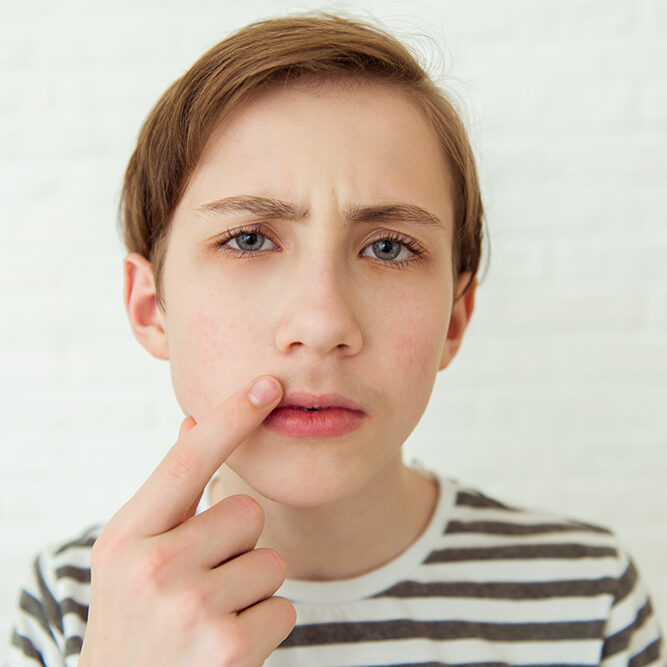
In boys, puberty typically starts with the enlargement of the testicles and penis, followed by the growth of pubic hair. Testosterone levels increase, leading to the deepening of the voice as the larynx, or voice box, grows. Boys also experience a significant growth spurt, often later than girls, which contributes to the typical height difference between adult men and women. Muscle mass increases, and boys develop broader shoulders and a more defined jawline. The production of sperm begins during this time, marking the onset of fertility. Like girls, boys may also experience acne and changes in body odor as a result of increased hormone levels.
Puberty can be a challenging time for adolescents, as they navigate the complexities of physical changes, social pressures, and the emotional turbulence that often accompanies this period of life. It’s essential for parents, guardians, and educators to provide support, understanding, and accurate information about these changes. Open communication about puberty can help adolescents feel more comfortable and confident as they go through this transformative phase.
The timing and experience of puberty can vary widely among individuals, influenced by factors such as genetics, nutrition, and overall health. While some adolescents may feel self-conscious about the changes they are experiencing, it’s important to emphasize that these changes are a normal and natural part of growing up. Each person goes through puberty at their own pace, and there is a wide range of what is considered “normal.” The emotional and physical changes of puberty lay the foundation for adult life, shaping not only the body but also the mind and personality of the individual.
Puberty can be a challenging time for adolescents, as they navigate the complexities of physical changes, social pressures, and the emotional turbulence that often accompanies this period of life. It’s essential for parents, guardians, and educators to provide support, understanding, and accurate information about these changes. Open communication about puberty can help adolescents feel more comfortable and confident as they go through this transformative phase.
The timing and experience of puberty can vary widely among individuals, influenced by factors such as genetics, nutrition, and overall health. While some adolescents may feel self-conscious about the changes they are experiencing, it’s important to emphasize that these changes are a normal and natural part of growing up. Each person goes through puberty at their own pace, and there is a wide range of what is considered “normal.” The emotional and physical changes of puberty lay the foundation for adult life, shaping not only the body but also the mind and personality of the individual.