
Author name: Dr. Kaishreen Khan

Best Supplements for Hormonal Balance
Gynecologist

7 Best Supplements for Hormonal Balance in Women (Gynaecologist Recommended)

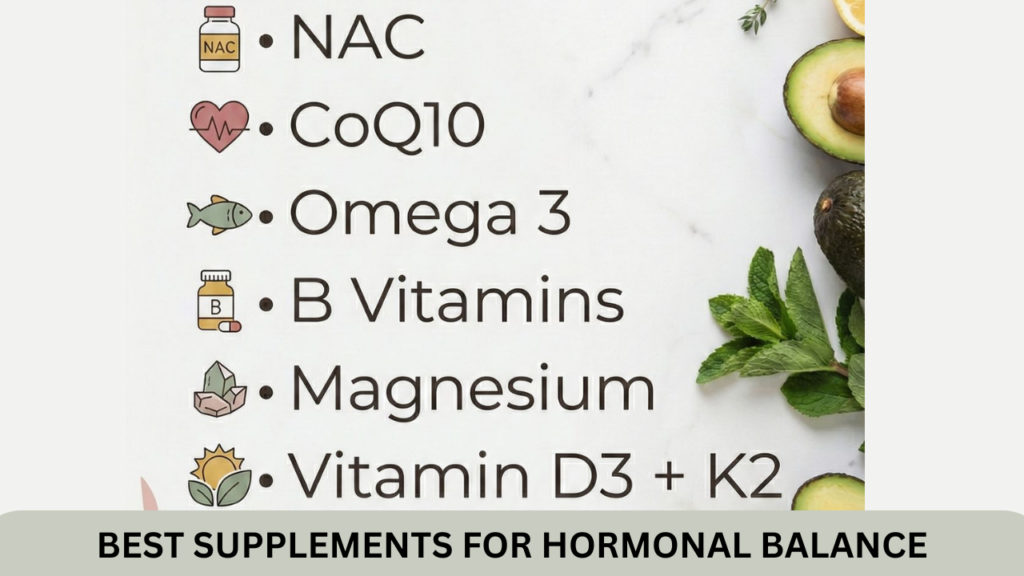
Women often experience changes in mood, energy, menstrual cycles, and overall well-being due to hormonal shifts. While hormones naturally fluctuate throughout life—during monthly cycles, stress, pregnancy, or menopause—persistent imbalances can affect daily comfort and long-term health. Nutritional support plays a vital role in maintaining stable hormone levels, which is why many women seek guidance from the Best Gynecologist in Kharadi to understand how supplements can support their hormonal health safely and effectively. Supplements are not miracle cures, but when combined with healthy eating, regular physical activity, and good sleep habits, they can significantly improve hormonal function. A personalized approach based on symptoms, age, and test results ensures better outcomes and long-term benefits. What Causes Hormonal Imbalance in Women? Hormonal imbalance can develop due to multiple factors, including: Chronic stress and lack of sleep Poor nutrition or restrictive dieting PCOS, thyroid disorders, or insulin resistance Pregnancy, postpartum changes, and menopause Sedentary lifestyle or excessive physical strain Identifying the underlying cause is essential before choosing supplements. This is why medical evaluation is always recommended. Common Signs of Hormonal Imbalance Irregular or missed periods Acne, hair thinning, or excess facial hair Unexplained weight gain Fatigue and low energy Mood swings, anxiety, or irritability Poor sleep quality If these symptoms persist, medical assessment helps determine whether supplementation or additional treatment is needed. How Supplements Help Balance Hormones Supplements support hormonal health by: Filling nutritional gaps Supporting the endocrine system Improving insulin sensitivity Reducing inflammation Supporting ovulation and menstrual regularity Consultant Obstetrician and Gynaecologist, many women struggle with hormonal imbalance, and tailored supplementation—guided by a doctor—can improve overall comfort and reproductive health. Blood tests and clinical evaluation ensure the right nutrient at the right dosage. 1. Vitamin D – Mood & Fertility Support Vitamin D functions as a hormone-like nutrient in the body. Benefits: Supports hormone regulation Boosts energy levels Supports thyroid and reproductive health Improves mood Why it’s important: Vitamin D deficiency is extremely common and is linked to irregular cycles, low immunity, and fatigue. Adequate levels support ovulation and menstrual regularity. 2. Omega-3 Fatty Acids – Inflammation Fighters Omega-3 fatty acids are essential fats found in fish oil and flaxseed oil. Benefits: Reduces inflammation Eases PMS symptoms Supports ovulation Improves menstrual comfort Why it’s important: Omega-3s help improve communication between hormones and target inflammation that can worsen hormonal symptoms. 3. Magnesium – Stress & Sleep Regulator Magnesium plays a role in hundreds of biochemical reactions in the body. Benefits: Reduces menstrual cramps Improves sleep quality Supports insulin balance Calms the nervous system Why it’s important: Low magnesium levels are linked to anxiety, poor sleep, and worsened PMS. Supplementation helps smooth hormonal fluctuations. 4. Vitamin B-Complex – Energy & Metabolism Boost B vitamins support cellular energy and hormonal pathways. Benefits: Improves energy levels Supports metabolism Promotes healthy periods Supports ovulation Why it’s important: B vitamins help the body process and regulate hormones efficiently, especially during stress. 5. Myo-Inositol – PCOS-Targeted Support Myo-inositol is a naturally occurring compound similar to a B vitamin. Benefits: Improves insulin sensitivity Helps regulate menstrual cycles Reduces acne and hair fall Supports egg quality Why it’s important: Women with PCOS often benefit greatly from myo-inositol as it addresses the root issue of insulin resistance. 6. Probiotics – Gut-Hormone Link The gut plays a major role in hormone metabolism. Benefits: Improves digestion Reduces bloating Supports vaginal health Helps maintain estrogen balance Why it’s important: A healthy gut ensures proper breakdown and elimination of excess hormones, preventing imbalance. 7. Iron – When Deficient Iron is essential for oxygen transport and energy production. Benefits: Prevents fatigue Supports normal menstrual cycles Improves stamina Why it’s important: Women with heavy periods are prone to iron deficiency, which can worsen weakness and hormonal symptoms. Supplementation is recommended only after testing. How to Choose the Right Supplement Get blood tests to identify deficiencies Consider age, symptoms, and medical history Follow medical guidance for dosage and duration Women searching for guidance from the Best Gynae in kharadi often benefit from personalized supplement plans based on individual needs. Lifestyle Tips to Support Hormonal Balance Eat a balanced diet with whole foods Exercise moderately Manage stress through yoga or meditation Maintain a consistent sleep schedule Limit processed foods and excess sugar Supplements work best when combined with healthy daily habits. How Long Do Supplements Take to Work? Most women notice gradual improvements within 6–12 weeks of consistent use. Results depend on severity of imbalance, adherence, and lifestyle factors. Safety Tips Before Taking Supplements Avoid self-medication Do not exceed recommended doses Inform your doctor about other medications Monitor symptoms regularly When to See a Gynaecologist Persistent irregular periods Severe PMS or pelvic pain Difficulty conceiving Excessive hair fall or acne Timely evaluation prevents long-term complications and ensures proper care. Conclusion Hormonal imbalance is common, but it is manageable with the right nutritional support, lifestyle changes, and medical guidance. Supplements such as vitamin D, omega-3s, magnesium, B-complex, myo-inositol, probiotics, and iron can play a valuable role when chosen correctly. Seeking guidance from the Best Gynecologist in Kharadi ensures a safe, personalized, and effective approach toward long-term hormonal health and overall well-being.
Obstetrician and Gynecologist in kharadi
Gynecologist

Frequent Mood Swings: Common Medical Causes and Tests You Should Know

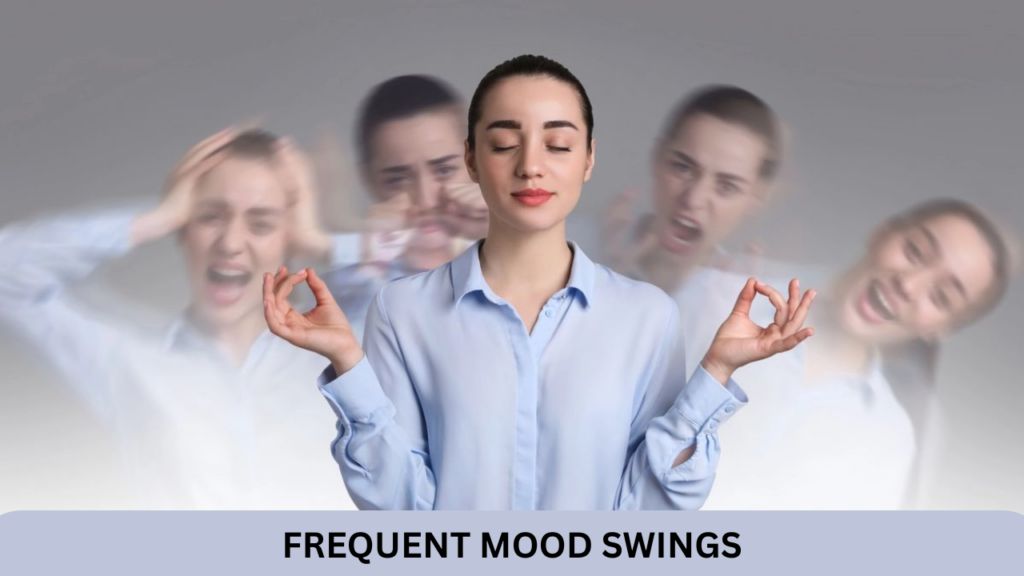
Frequent mood swings can quietly affect personal relationships, work performance, and overall well-being. While occasional emotional changes are a normal part of life, repeated and sudden shifts in mood may signal an underlying health concern. Many people turn to an Obstetrician and Gynecologist in kharadi when mood changes appear alongside hormonal or reproductive health issues, as emotional health is closely linked to physical balance. What Are Frequent Mood Swings? Mood swings refer to rapid changes in emotional state, such as shifting from happiness to irritation, sadness, or anxiety without a clear reason. These changes may happen suddenly and feel overwhelming. While stress and daily pressures can cause temporary mood changes, frequent or persistent swings often point toward internal imbalances that need attention. When Are Mood Swings a Health Concern? Occasional emotional ups and downs are normal. However, mood swings may be medically significant when they: Occur frequently without a clear trigger Affect relationships or work life Are accompanied by fatigue, sleep issues, or physical symptoms Last for weeks or months In such cases, identifying the cause becomes important. Common Medical Causes of Frequent Mood Swings Several medical conditions can affect emotional stability. Experts often link frequent mood swings to the following factors: Hormonal Imbalance Hormones play a major role in regulating emotions. Fluctuations in estrogen, progesterone, testosterone, or cortisol can directly influence mood. Hormonal changes are commonly seen during: Menstrual cycles Pregnancy and post-pregnancy phases Perimenopause and menopause These changes may lead to irritability, sadness, anxiety, or emotional sensitivity. Thyroid Disorders The thyroid gland controls metabolism and energy levels. When thyroid hormones are too high or too low, emotional changes often occur. An underactive thyroid may cause low mood and fatigue An overactive thyroid may lead to anxiety, restlessness, or irritability Blood Sugar Imbalance Sudden drops or spikes in blood sugar can trigger emotional reactions such as nervousness, agitation, or low mood. This is often noticed when meals are skipped or diets are irregular. Nutritional Deficiencies Low levels of certain nutrients can significantly affect brain function and emotional health, including: Vitamin B12 deficiency Vitamin D deficiency Iron deficiency These deficiencies may cause fatigue, difficulty concentrating, irritability, or emotional overwhelm. Stress and Poor Sleep Chronic stress increases cortisol levels, which can disturb emotional balance. Inadequate sleep further worsens mood control, making emotional regulation more difficult. Hormones and Their Impact on Mood Hormones act as chemical messengers in the body. When their balance is disturbed, emotional responses can change. Estrogen influences serotonin, the “feel-good” brain chemical Progesterone affects calming brain pathways Cortisol rises during stress, increasing emotional sensitivity This is why hormonal evaluation is often considered important, especially when mood changes are recurring. In such situations, guidance from a Best Gynecologist helps in understanding the hormonal link more clearly. Nutritional Deficiencies That Affect Emotional Health Nutrition directly supports brain chemistry. When essential nutrients are low, emotional balance may suffer. Vitamin B12 supports nerve function and mood regulation Vitamin D plays a role in emotional stability Iron deficiency can reduce oxygen supply to the brain, leading to fatigue and irritability Correcting these deficiencies often improves emotional clarity and energy levels. Thyroid and Blood Sugar Influence on Mood The thyroid gland and blood sugar levels work silently but powerfully. Thyroid imbalance can mimic symptoms of anxiety or depression Irregular blood sugar levels can cause sudden emotional shifts Testing helps identify these silent contributors to mood instability. Medical Tests That Help Identify the Cause Several basic tests can help understand why mood swings occur: Thyroid function tests to assess T3, T4, and TSH levels Blood sugar tests including fasting and post-meal values Vitamin and mineral tests for B12, vitamin D, and iron Hormonal evaluation to assess estrogen, progesterone, testosterone, and cortisol Psychological assessment when stress, anxiety, or emotional strain is suspected These tests help rule out physical causes and guide further steps. When Should You Consider Testing? Medical evaluation becomes important if mood swings: Persist for more than a few weeks Interfere with daily functioning Occur with physical symptoms like fatigue or sleep problems Appear during major hormonal life stages Early testing helps prevent prolonged emotional distress. Simple Lifestyle Habits That Support Emotional Balance Alongside medical evaluation, certain habits support emotional stability: Regular, balanced meals Adequate sleep and fixed routines Stress-relief activities such as walking or breathing exercises Staying hydrated and physically active Small changes often make a noticeable difference. Conclusion Frequent mood swings are not something to ignore. They often reflect deeper hormonal, nutritional, or metabolic changes within the body. Identifying the root cause through appropriate tests allows emotional balance to be restored more effectively. When emotional changes are linked to reproductive or hormonal health, guidance from an Obstetrician and Gynecologist in kharadi helps in understanding the connection between physical health and emotional well-being. Frequently Asked Questions Are mood swings always linked to mental health issues? No. Many mood swings are caused by hormonal, thyroid, or nutritional imbalances rather than mental health conditions. Can hormonal changes really affect emotions? Yes. Hormones directly influence brain chemicals responsible for mood regulation. Which vitamin deficiency is most commonly linked to mood changes? Vitamin B12 and vitamin D deficiencies are frequently associated with emotional symptoms. Can thyroid problems cause anxiety or sadness? Yes. Both underactive and overactive thyroid conditions can affect emotional well-being. Do mood swings improve once the cause is treated? In many cases, emotional balance improves once the underlying imbalance is corrected.

Scroll to Top