
Uncategorized

Uncategorized

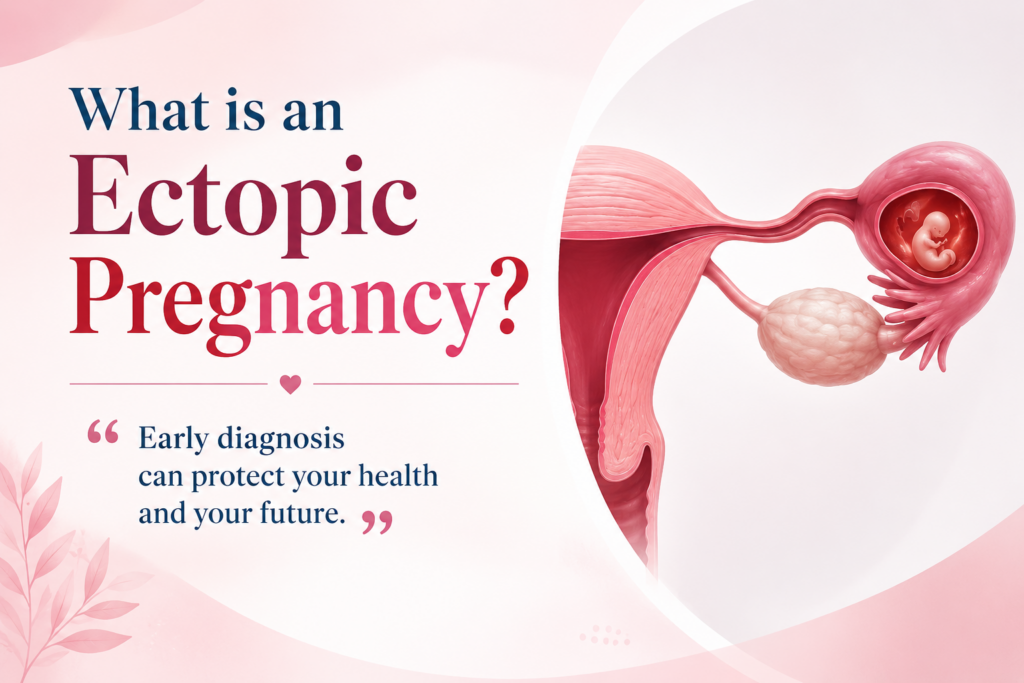
What is an Ectopic Pregnancy? Signs Every Woman Should Know

Pregnancy is usually a joyful journey, but in some cases, it can develop in a way that requires urgent medical attention. As a gynecologist, one of the most serious early pregnancy complications I encounter is an ectopic pregnancy. Women experiencing a High risk pregnancy in Dhanori should be aware of this condition because early diagnosis can be life-saving. Understanding the warning signs and seeking prompt medical care can help prevent severe complications while protecting your future reproductive health. What is an Ectopic Pregnancy? An ectopic pregnancy occurs when a fertilized egg implants outside the uterus instead of inside the uterine cavity. A healthy pregnancy develops within the uterus, where the growing baby has enough space and blood supply to develop normally. In an ectopic pregnancy, the fertilized egg most commonly implants in the fallopian tube, which is why it is often called a tubal pregnancy. Less commonly, it may implant in the ovary, cervix, or abdominal cavity. It is important to understand that an ectopic pregnancy cannot continue normally. Some women believe that the pregnancy may eventually move into the uterus on its own, but medically this is not possible. Without timely treatment, the pregnancy can continue to grow and cause serious complications. Where Can an Ectopic Pregnancy Occur? Although the fallopian tube is the most common location, an ectopic pregnancy may develop in different areas, including: Fallopian tube (Tubal pregnancy) Ovary Cervix Abdominal cavity Since these locations cannot support a growing pregnancy, immediate medical evaluation is necessary once the condition is diagnosed. Why is an Ectopic Pregnancy Dangerous? An ectopic pregnancy is considered a medical emergency because the growing pregnancy can rupture nearby tissues, leading to severe internal bleeding. If the fallopian tube ruptures, it may result in: Heavy internal bleeding Severe abdominal pain Sudden drop in blood pressure Dizziness or fainting Shock For this reason, ectopic pregnancy is classified as a pregnancy complications treatment emergency that requires immediate medical attention. Women receiving high-risk pregnancy care should never ignore symptoms suggestive of this condition. Early Signs and Symptoms of an Ectopic Pregnancy Symptoms may vary from one woman to another, but some warning signs are commonly seen. Positive Pregnancy Test Most women have a positive pregnancy test before symptoms appear. Lower Abdominal or Pelvic Pain Persistent or severe pain on one side of the lower abdomen is often one of the earliest symptoms. Vaginal Spotting or Bleeding Light bleeding or spotting during early pregnancy should always be evaluated by a gynecologist. Shoulder Pain Internal bleeding may sometimes irritate the diaphragm, resulting in pain around the shoulder. Dizziness or Fainting If significant internal bleeding occurs, dizziness, weakness, or fainting episodes may develop. Low Blood Pressure In severe cases, internal bleeding can cause a dangerous fall in blood pressure and requires emergency treatment. These symptoms should never be ignored, especially during early pregnancy. When Should You Seek Emergency Medical Care? Immediate medical attention is required if you experience: Severe abdominal pain Heavy bleeding Repeated fainting Extreme weakness Sudden dizziness Persistent shoulder pain These symptoms may indicate a ruptured ectopic pregnancy, which is a life-threatening emergency. How is an Ectopic Pregnancy Diagnosed? Early diagnosis is the key to successful treatment. After a positive pregnancy test, your doctor may recommend: Beta hCG Blood Test The beta hCG test measures pregnancy hormone levels. Normally, these hormone levels increase steadily during early pregnancy. If the levels do not rise as expected, further evaluation becomes necessary. Early Pregnancy Ultrasound An early pregnancy ultrasound helps determine whether the pregnancy is developing inside the uterus or outside it. If no pregnancy is seen inside the uterus and hormone levels suggest pregnancy, an ectopic pregnancy is suspected. Sometimes repeated blood tests and ultrasound scans are required before confirming the diagnosis. Women receiving care from the Best Gynecologist in Kharadi or any qualified obstetrician should attend all recommended follow-up appointments for accurate diagnosis. Treatment Options for an Ectopic Pregnancy Treatment depends on how early the condition is diagnosed and the patient’s overall health. Medical Management If diagnosed early, surgery may not always be necessary. Medical treatment may be considered when: The ectopic pregnancy is small There is no fetal heartbeat Beta hCG levels are relatively low There are no signs of rupture In these situations, an injection of Methotrexate may be recommended. Following treatment, regular beta hCG monitoring is essential to ensure the pregnancy tissue is resolving completely. However, medical treatment may not always be successful, and surgery may still become necessary. Surgical Management If the pregnancy has ruptured or medical management is unsuitable, surgery is the safest option. Most procedures are performed using laparoscopic surgery, also known as keyhole surgery. During surgery, the affected portion of the fallopian tube or ectopic pregnancy tissue is carefully removed to stop bleeding and prevent further complications. Timely intervention plays a crucial role in preserving future fertility whenever possible. Can Future Pregnancy Be Healthy After an Ectopic Pregnancy? Many women worry about becoming pregnant again after an ectopic pregnancy. The encouraging news is that many women go on to have completely healthy pregnancies in the future. Proper recovery, early pregnancy monitoring, and regular prenatal check-ups significantly improve pregnancy outcomes. Women planning another pregnancy should undergo pregnancy specialist in Dhanori consultations early so that pregnancy location can be confirmed through ultrasound at the appropriate time. Who is at Higher Risk of an Ectopic Pregnancy? Certain factors increase the risk, including: Previous ectopic pregnancy Previous fallopian tube surgery Pelvic infections Endometriosis Fertility treatments Smoking Structural abnormalities of the fallopian tubes Having one or more of these risk factors does not necessarily mean an ectopic pregnancy will occur, but closer monitoring is recommended. Can an Ectopic Pregnancy Be Prevented? Not every ectopic pregnancy can be prevented, but early diagnosis can significantly reduce complications. Helpful preventive measures include: Seeking medical evaluation soon after a positive pregnancy test Attending regular prenatal appointments Treating pelvic infections promptly Avoiding smoking Following your doctor’s recommendations Early ultrasound examination remains one of the most effective ways to detect an ectopic pregnancy
Uncategorized

How to Prepare for Pregnancy: A Complete 3-Month Preconception Checklist

Planning a pregnancy is an exciting step in a woman’s life, but a healthy pregnancy begins even before conception. As the Best Gynecologist in Kharadi, I often advise couples that pregnancy preparation should ideally start at least three months before trying to conceive. This period allows your body to build the right nutritional reserves, identify potential health concerns, and create the best possible environment for a healthy pregnancy and baby. Many women believe that pregnancy care starts after a positive pregnancy test. However, proper preconception care can significantly improve maternal health, reduce pregnancy complications, and support healthy fetal development. What is Preconception Care? Preconception care refers to the medical, nutritional, and lifestyle preparation undertaken before pregnancy. The goal is to ensure that a woman is physically and emotionally ready for conception. Through preconception care, we assess overall health, review medical history, recommend necessary supplements, and identify conditions that may affect pregnancy. Taking these steps before conception can help reduce the risk of miscarriage, birth defects, and pregnancy-related complications. Start Taking Folic Acid Before Pregnancy One of the most important recommendations I give to women planning pregnancy is to start folic acid supplementation at least three months before conception. Folic acid plays a crucial role in the early development of the baby’s brain and spinal cord. Since these structures begin developing during the first few weeks of pregnancy—often before a woman realizes she is pregnant—early supplementation is essential. In most cases, a 5 mg folic acid tablet may be recommended daily, depending on individual health requirements. Adequate folic acid intake helps reduce the risk of neural tube defects and supports healthy fetal development. This is one of the simplest yet most effective pregnancy preparation tips that every woman should follow. Maintain a Healthy Weight Before Conception Your overall health directly impacts your pregnancy journey. Before trying to conceive, it is important to achieve and maintain a healthy body weight. Body Mass Index (BMI) is one of the factors we evaluate during preconception counseling. Being overweight or underweight can affect fertility and increase the risk of pregnancy complications. A healthy weight helps: Improve fertility Support hormonal balance Reduce the risk of gestational diabetes Lower the chances of high blood pressure during pregnancy Promote healthy fetal growth Improve Your Diet and Nutrition Nutrition plays a significant role in preparing your body for pregnancy. A balanced diet should include: Foods to Include Fresh fruits and vegetables Whole grains Lean proteins Dairy products Iron-rich foods Calcium-rich foods Nuts and seeds Foods and Habits to Avoid Excessive processed foods Sugary beverages Smoking Alcohol consumption Smoking and alcohol can negatively affect fertility and increase the risk of developmental abnormalities in the baby. Therefore, it is strongly recommended to avoid both while planning pregnancy. Women seeking guidance from a Pregnancy Care Center in Dhanori often receive personalized dietary recommendations based on their health needs and nutritional status. Focus on Lifestyle Changes Healthy lifestyle habits can significantly improve your chances of having a healthy pregnancy. Prioritize Quality Sleep Adequate sleep supports hormonal balance, immune function, and overall well-being. Manage Stress Effectively Chronic stress can affect reproductive health and fertility. Activities such as meditation, yoga, deep breathing exercises, and regular physical activity can help manage stress levels. Stay Physically Active Moderate exercise helps maintain a healthy weight, improves circulation, and prepares the body for pregnancy. Stay Hydrated Drinking sufficient water supports metabolism, digestion, and overall health. These healthy pregnancy planning practices create a strong foundation for conception and pregnancy. Get Essential Health Checkups Done One of the most important aspects of tests before pregnancy is identifying underlying medical conditions that may affect pregnancy outcomes. Important Tests Before Pregnancy Your gynecologist may recommend: Thyroid function tests Blood sugar screening Blood pressure evaluation Complete blood count Blood group testing Infection screening Why These Tests Matter Conditions such as thyroid disorders, diabetes, and hypertension can affect both mother and baby if left unmanaged. Uncontrolled medical conditions may increase the risk of: Miscarriage Premature delivery Fetal growth restriction Pregnancy complications Identifying and managing these conditions before conception significantly improves pregnancy outcomes. Understand the Importance of Rubella Testing Rubella is a viral infection that can cause serious complications during pregnancy. If a woman contracts rubella during pregnancy, it may increase the risk of: Congenital deafness Developmental abnormalities Miscarriage Rubella Immunity Check As part of preconception care, we recommend checking rubella immunity through a blood test. If immunity is not present, vaccination may be advised before pregnancy. After receiving the rubella vaccine, women are generally advised to wait for approximately two months before attempting conception. This preventive measure helps protect both mother and baby from avoidable complications. Manage Existing Health Conditions Women with pre-existing medical conditions should work closely with their gynecologist before planning pregnancy. Conditions That Need Special Attention Thyroid disorders Diabetes High blood pressure Polycystic Ovary Syndrome (PCOS) Autoimmune conditions Proper management before conception reduces risks and promotes a healthier pregnancy journey. When Should You Visit a Gynecologist? Three Months Before Pregnancy Start folic acid supplements  Schedule a gynecologist consultation  Get recommended blood tests done  Check thyroid, sugar, and blood pressure levels  Assess rubella immunity  Improve diet and nutrition  Achieve a healthy BMI  Manage stress effectively  Stop smoking and alcohol consumption  Follow a regular exercise routine Common Mistakes to Avoid While Planning Pregnancy Many women unknowingly make mistakes that can affect pregnancy outcomes. Avoid: Waiting until pregnancy to start folic acid Ignoring routine health screenings Self-medicating without professional advice Neglecting chronic medical conditions Delaying gynecological consultation Taking proactive steps before conception can make a significant difference in maternal and fetal health Conclusion Pregnancy planning is much more than simply deciding to have a baby. Proper preparation during the three months before conception helps optimize your health, supports healthy fetal development, and reduces the risk of complications.From folic acid supplementation and lifestyle improvements to essential health screenings and vaccination assessments, every step contributes to a healthier pregnancy journey. If you are planning to conceive, consulting the Best Gynecologist in Kharadi early can help you

2

2

2

Scroll to Top